


Bubba
Gaeddert
Host | Keynote Speaker | Professor | Consultant
Bubba is a professional broadcaster, host, consultant, entrepreneur, higher education professor, content creator, and veteran event manager.
Bubba’s Articles
For most of video game history, your machine determined your world. Today, your account increasingly defines it.
This proposed study will examine the integration of game-based learning (GBL) within a fully esports-focused higher education environment, with the goal of better understanding of how GBL strategies influence engagement, development, and classroom culture in a specialized institution. Conducted at the College of Esports,, this research will explore how GBL functions in a context where all students are studying esports-related disciplines. This contrasts with most existing studies, based in traditional academic institutions or primary/secondary schools, which also offer esports education amongst their other courses and programs.
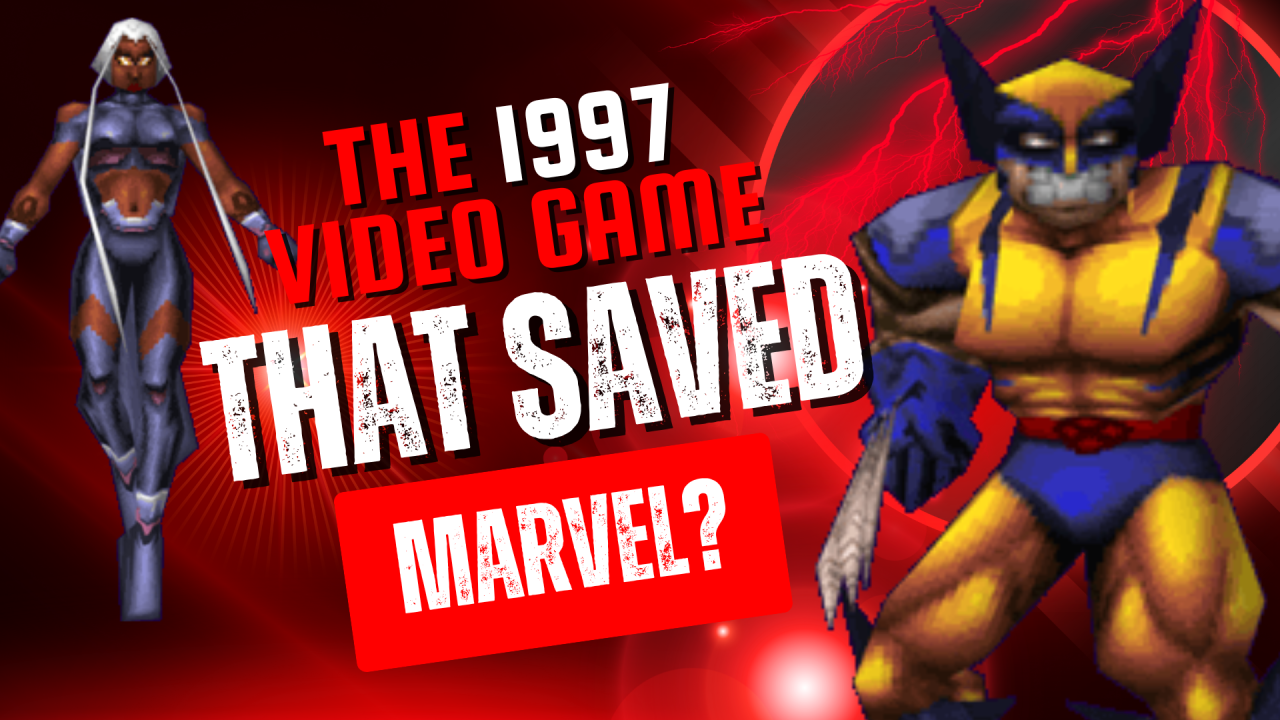
In 1997, a game was released that let you step into the shoes of a Magneto-built cyborg and wipe out an army of mutant clones. It was loud, bloody, confusing, and brutal.
This opinion piece is a joint effort written by Jordan Whitaker and Bubba Gaeddert, combining their experience across education, coaching, research, esports, and event management.

Thunderbolts may be the best MCU movie since Endgame. It delivers comedy, action, and sharp dialogue. But it might also be the most emotionally truthful Marvel Studios film yet.
The final post-credit scene says more about #mentalhealth and #neurodiversity than any other superhero moment. I don't typically write about movies, but this scene had me thinking night and day about the issues below.
I want to explore a question that may not get asked enough. We often talk about ADHD in terms of traits, symptoms, or diagnostic criteria. But I started thinking about how we adapt to ADHD over time. How do our coping strategies, social roles, and personal routines shape who we become? Could these adaptations reshape the brain itself?

Gaming experts and mental health professionals alike have taken note of the evolution of the perception of esports.
As Bubba Gaeddert, head of events and senior lecturer at the College of Esports in London, UK, and president and co-founder of the Videogames and Esports Foundation, affirms, “Esports has been growing fast over the last decade, and we are seeing a real shift in how parents view gaming. It is no longer just entertainment. Parents are realizing that gaming can be a legitimate path to college, scholarships, and careers.”

Do you ever wish the $187 billion video games industry, which is bigger than movies and music combined, could have been something you were a part of as a kid? Many young gamers dream of turning their passion into a professional career, whether through competition, streaming, or content creation. While esports offers exciting opportunities, the intense demands can lead to burnout before players reach their full potential. Just as in traditional sports, young competitors often sacrifice balance, health, and personal growth in pursuit of success. Parents play a crucial role in ensuring their child navigates esports in a healthy and sustainable way.

Video games are no longer just a form of entertainment, they are powerful tools that influence how we think, connect, and grow. From action-packed gameplay to thought-provoking narratives, the world of gaming is a unique intersection of creativity, engagement, and personal development. Two key concepts that define the impact of games on players are hedonic and eudaimonic experiences. These frameworks provide a lens through which we can better understand how games affect us and what makes them such a compelling medium for entertainment and growth.

As an adult diagnosed with impulsivity Attention-Deficit/Hyperactivity Disorder (ADHD), I have spent years navigating the challenges and revelations that come with understanding my neurodivergence. The journey to diagnosis was one of self-discovery, clarity, and relief. It helped me make sense of habits and struggles I had carried for years, and it inspired me to dive deeply into learning about ADHD and its broader implications. My experiences, paired with a career in gaming and education, have illuminated the pervasive gaps in how society and systems understand neurodivergence.

Gaming and esports have an extraordinary ability to create connections and strengthen relationships, even in families where gaming wasn’t always a focus. My wife’s journey with gaming is a testament to this transformation. As a child, she enjoyed video games like speed-running Super Mario Bros. Gaming seemed like a distraction, something unworthy of her limited time as she focused on building her career, starting a family, and serving others through charity organizations and ministry. However, she surprised everyone by giving our kids a run for their money in a family Brawlhalla session, finishing with a triumphant controller drop that we still laugh about today.

Competitive gaming, or esports as it is now widely known, has become a global phenomenon. With arenas packed with fans and millions tuning in online, it’s easy to forget that this billion-dollar industry has humble beginnings rooted in arcades, basements, and niche gatherings. Let’s take a journey through the pivotal moments and lesser-known milestones that brought competitive gaming from its grassroots origins to the professional spectacle we see today.

Moving to London with my family has been one of the most transformative experiences of our lives, a journey marked by resilience, faith, and a deep sense of purpose.
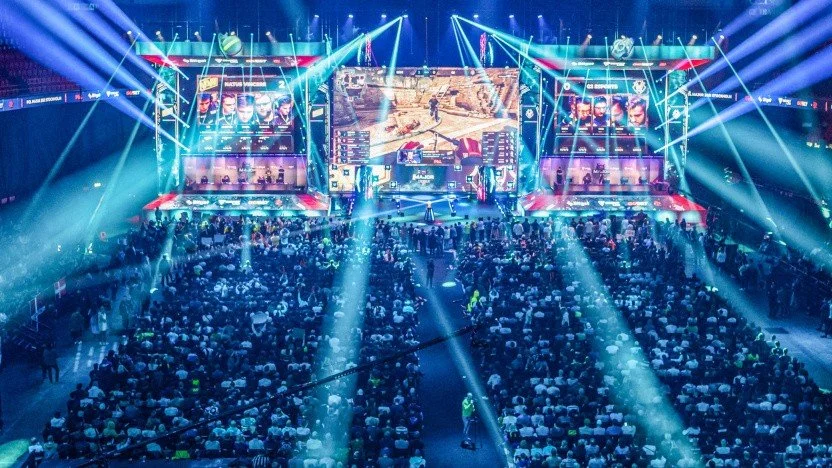
As esports continues to evolve, it is essential for stakeholders to address ongoing challenges, such as issues of representation and harassment that plague the gaming community.

Did you know that Rockstar Games Used Right-Wing Outrage To Trick You All Into Buying Grand Theft Auto in 1997?

Esports will debut in the 2025 Olympics, highlighting the need to address stigmas compared to Olympic shooting clubs.
Esports faces unfounded stigmas about physical activity and violence, despite evidence from Dr. Rachel Kowert showing no link between video games and real-world aggression.

As esports continues to grow in popularity, it’s essential for parents to understand its impact on their children.

Attending InfoComm Show 2024 in Las Vegas as the esports expert for rAVe [PUBS] was an exhilarating experience. The sheer size and scope of the event were beyond my expectations, with thousands of attendees and hundreds of booths showcasing the latest advancements in AV technology.

Last night, I had the extraordinary opportunity to attend “An Evening at the Sphere” in Las Vegas, sponsored by AVI.

As a video games and esports enthusiast, expert, and industry veteran, I couldn’t be more excited about InfoComm 2024 in Las Vegas!

Artificial Intelligence is writing articles and people may not realize it
OpenAI and ChatGPT are both leading the charge in the world of artificial intelligence and natural language processing. These cutting-edge technologies are changing the way articles are written for media and publications, offering a new level of efficiency and accuracy.


This is why the Varsity Esports Foundation was created. Disenfranchised students in low socioeconomic areas with limited access to opportunities deserve to participate in college and career readiness through esports clubs and curriculum in schools. It also provides the ability to learn in a safe environment with an educator about Physical Health, teamwork, problem solving, critical thinking, cyberbullying, and mental health.

While the main function of a middle school or high school is education, we all know it is what goes on outside of the classroom that makes you who you are, and ultimately shapes your school experience. When you get into middle school or high school the one thing everyone has in common is that they are looking for acceptance.

This year will hold many discussions about college athletes and the NCAA's board of governors process to update guidelines around name, image, and likeness(NIL). This conversation partially revolves around gaming and the way student-athletes could earn compensation from companies for using their personal brand.


All of it worries Bubba Gaeddert, the executive director of the Varsity Esports Foundation, which gives high schools financial assistance to promote “healthy gaming habits” and develop students’ science and technology skills.
Every time there’s a new report of predatory behavior, he said, people ask, “Who’s to blame — schools, society, parents?”
“Well, it’s all of us.”
“‘Literacy’ is the word I say a billion times a day,” said Mr. Gaeddert, of the e-sports foundation.
Invite Sent
A live streaming show where people get interviewed while playing games.
UGC for Brands
Why I got a Dual Monitor Stacking Arm from Ergotron
Garmin Instinct Esports Smartwatch
MisfitNation.com use code MISFITBUBBA
Gamer Advantage FTW!
Thanks CrownChannel and Elgato